Publications
Here is a selection of books we have found helpful.
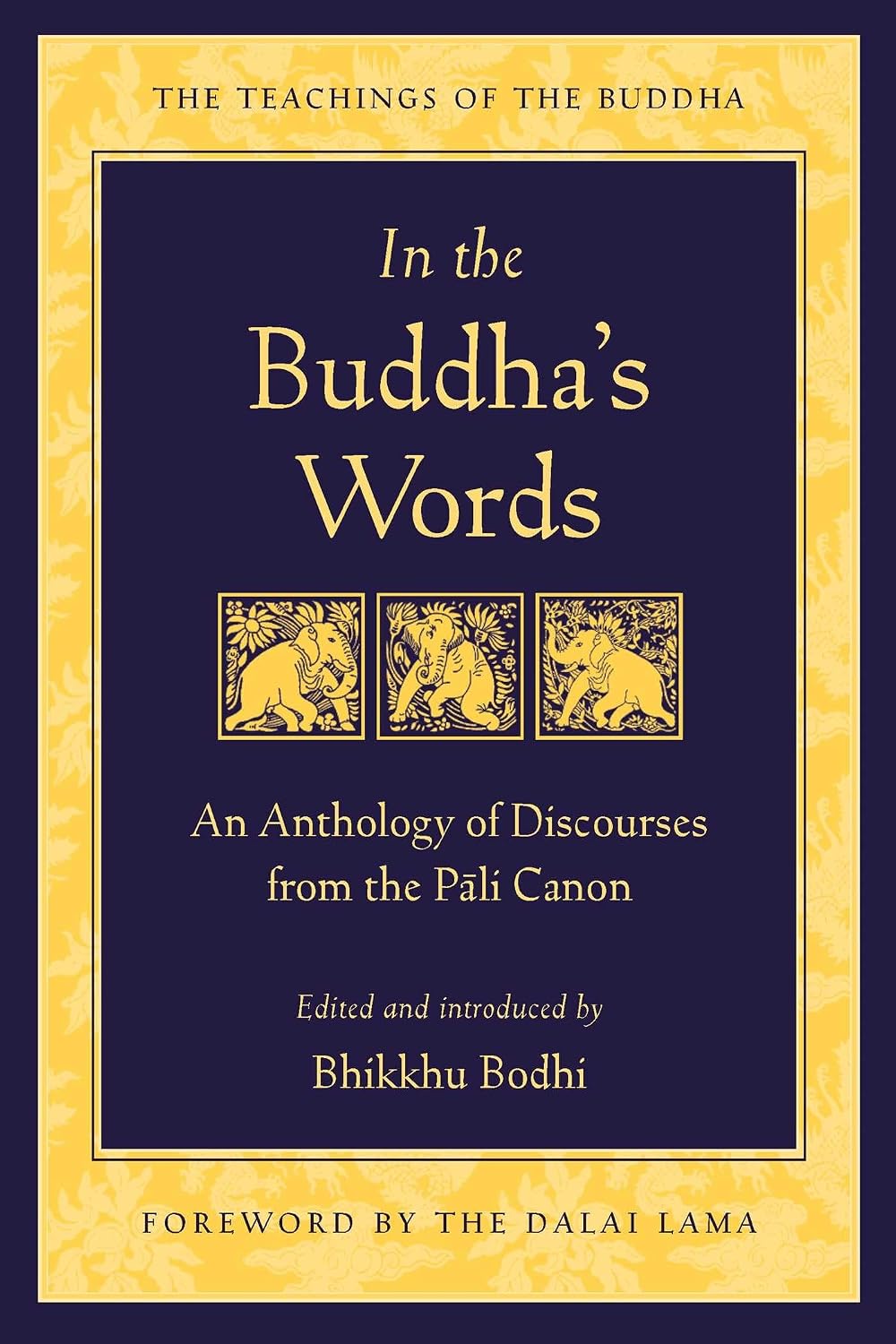
In the Buddha's Words
Edited and Translated by Bhikkhu Bodhi
An Anthology of Discourses from the Pali Canon.
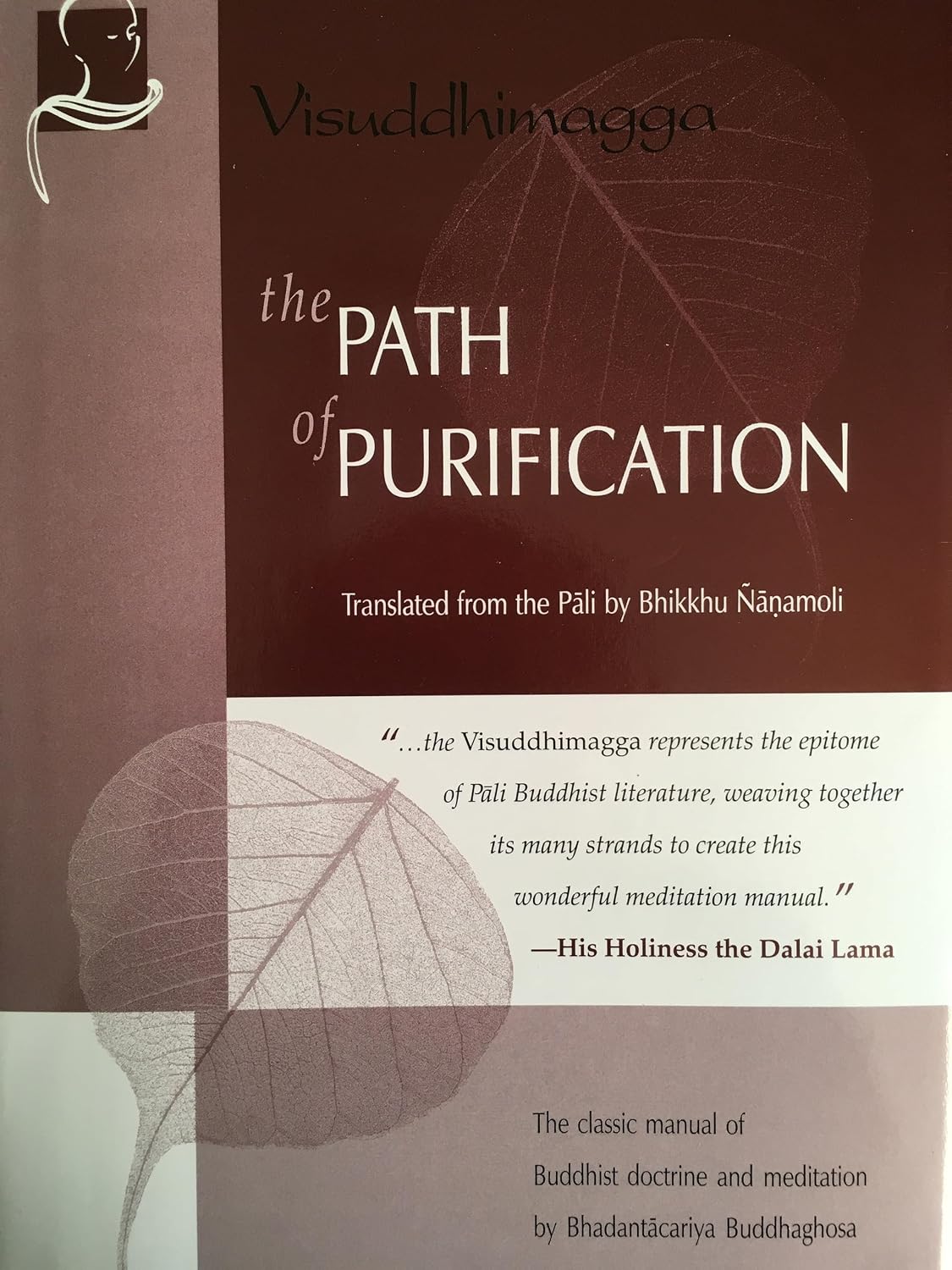
The Path of Purification: Visuddhimagga
By Bhadantacariya Buddhaghosa
A foundational Buddhist text, originally composed in the fifth century, the Visuddhimagga is a systematic examination and condensation of Dharma and meditation. The teachings of the Buddha are organized as a clear, comprehensive path leading to the goal of nibbāna, the ultimate state of purification, with full and detailed instructions given on 40 classical subjects of meditation.

What the Buddha Taught
By Walpola Rahula
The classic introduction to Buddhist fundamentals.
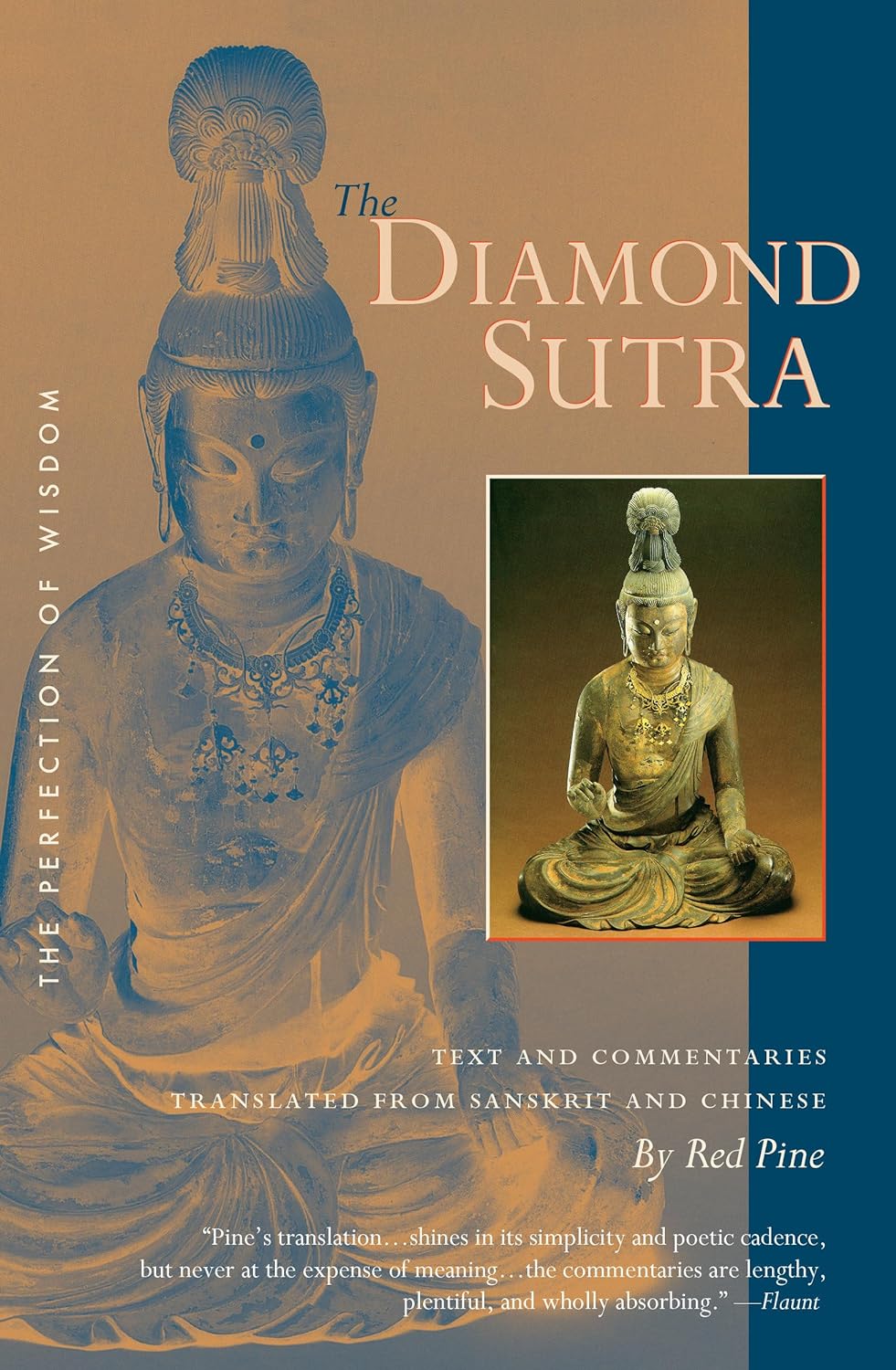
The Diamond Sutra
Translated by Bill Porter
The Diamond Sutra belongs to the Prajna Paramita (“Perfection of Wisdom”) collection of Mahayana texts. It offers a view of the world that deconstructs our normal categories of experience to show us that what we think are real entities in the world are actually our conceptualizations. It is one of the most influential Zen Buddhist scriptures.
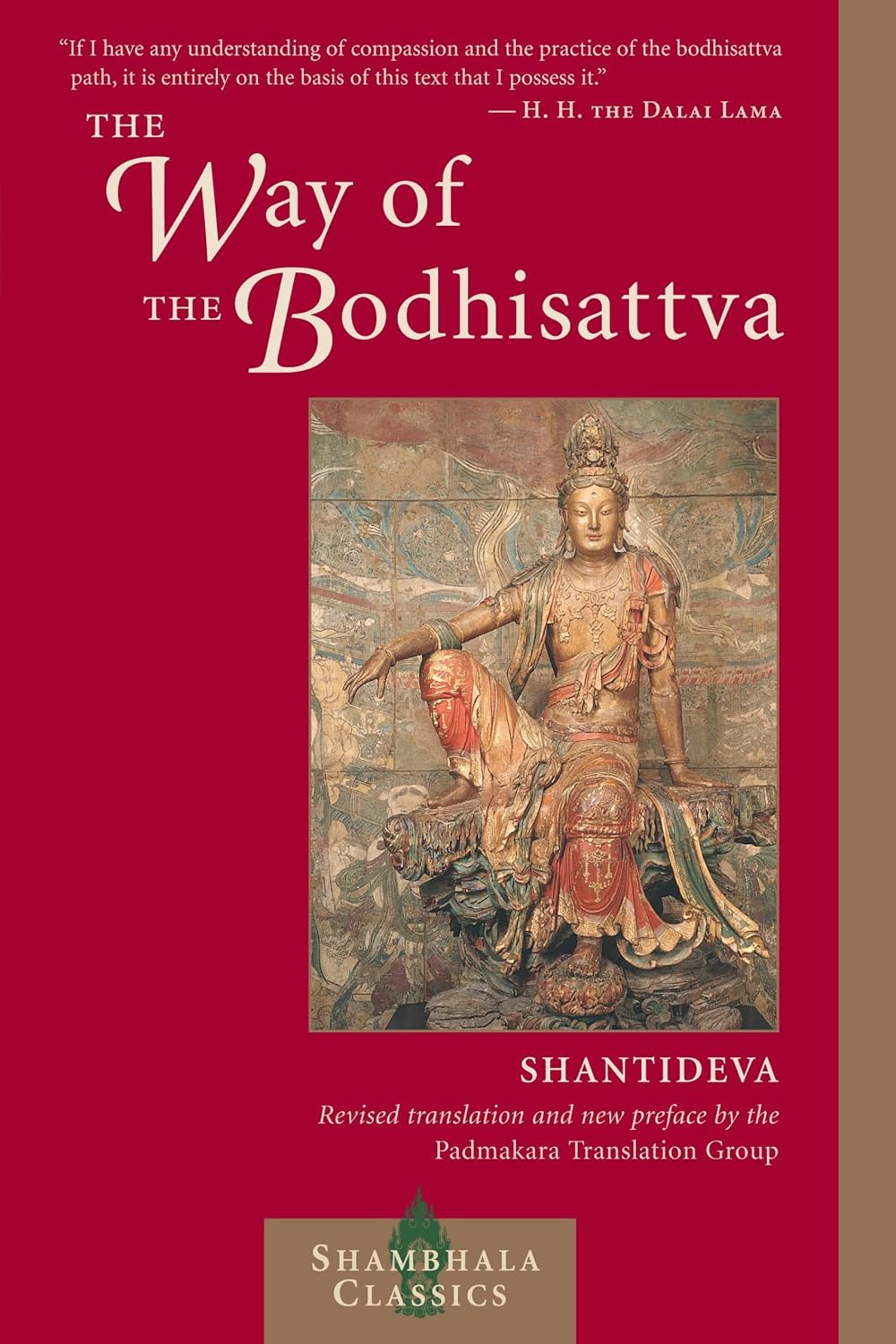
The Way of the Bodhisattva
By Shantideva
The Way of the Bodhisattva (Bodhicharyavatara) is a guide to cultivating the mind of enlightenment, and to generating the qualities of love, compassion, generosity, and patience. This text has been studied, practiced, and expounded upon in an unbroken tradition for centuries, first in India, and later in Tibet. Presented in the form of a personal meditation in verse, it outlines the path of the Bodhisattvas—those who renounce the peace of individual enlightenment and vow to work for the liberation of all beings and to attain Buddhahood for their sake.
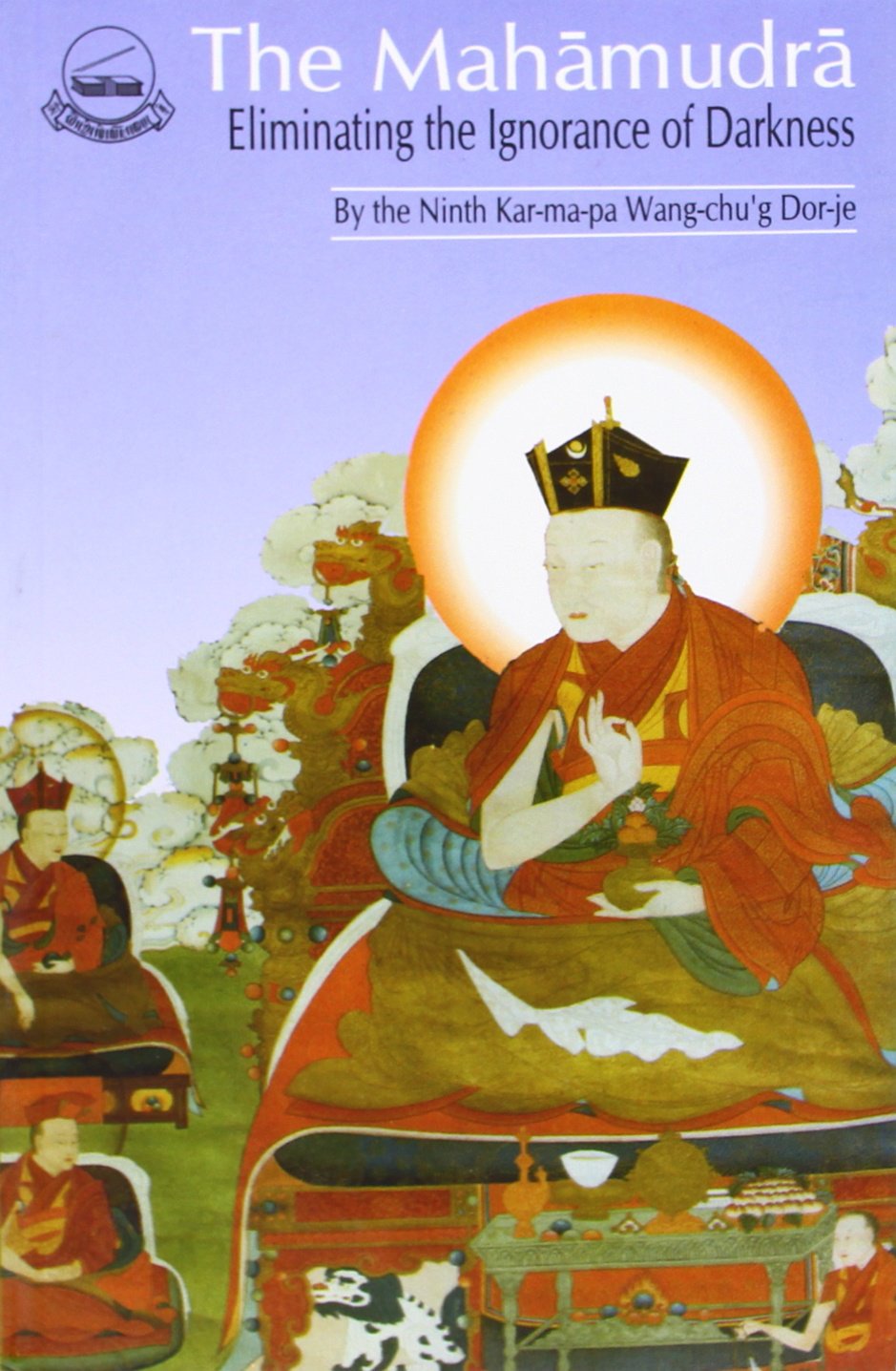
The Mahamudra: Eliminating the Darkness of Ignorance
By the Ninth Karmapa
One of the core texts of the Kagyu lineage, the Ninth Karmapa presents, step by step, this advanced, subtle system of meditation on the nature of the mind. The first part presents preliminary practices, the second and third parts present a series of meditation subjects for gaining first a stilled, settled state of tranquility and then a perceptive state of insight focused on the deepest nature of the mind. The final section presents methods for enhancing the effectiveness of these practices and discusses the more advanced stages attained on the path to enlightenment.

Body, Speech & Mind
Discourses of Namgyal Rinpoche
Dharma Talks given by our principal teacher on a variety of subjects.
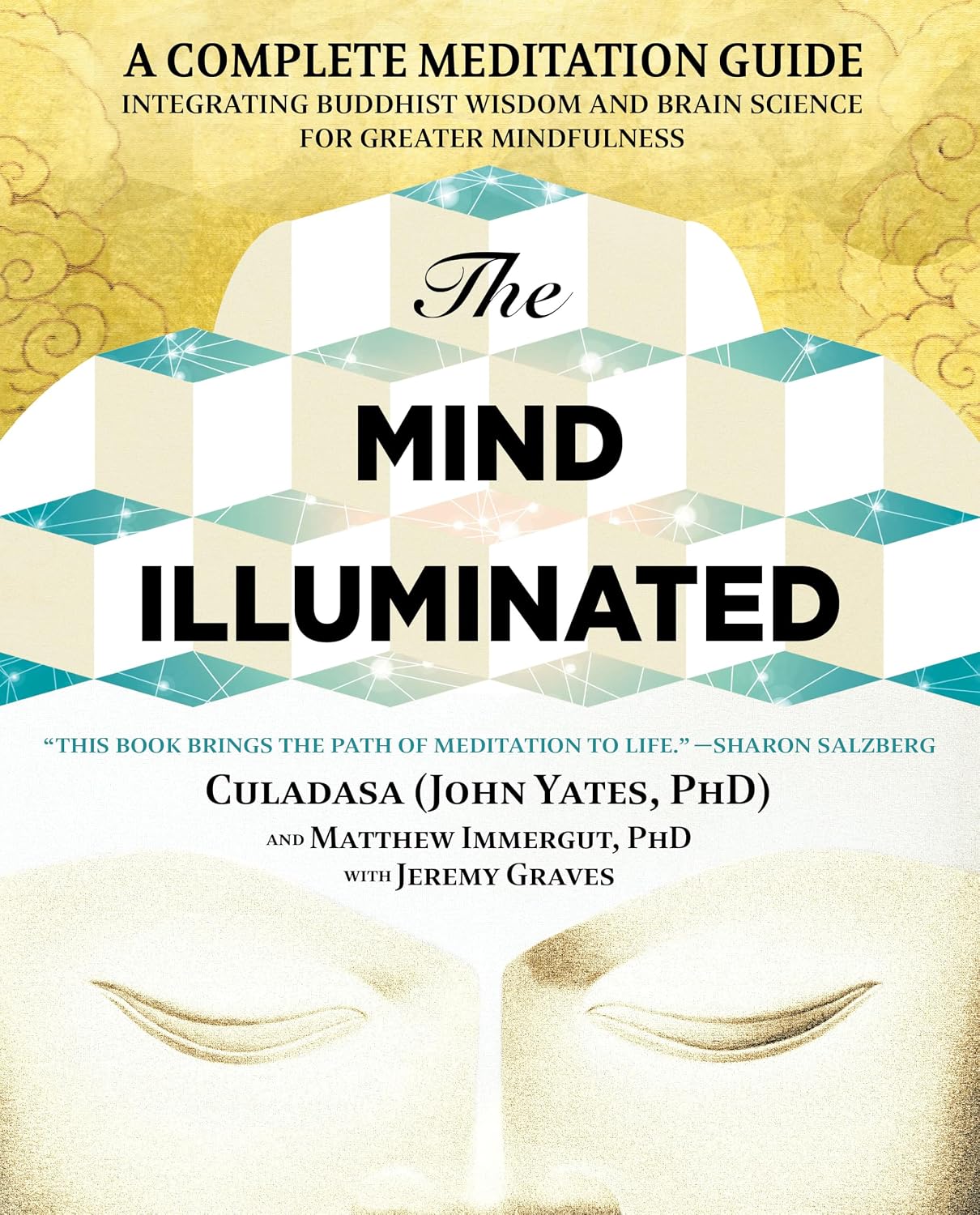
The Mind Illuminated
By Culadasa (John Yates)
This innovative manual offers a 10-stage program that is grounded in ancient spiritual teachings while also drawing upon recent brain science research, providing a roadmap for anyone interested in realizing the true benefits of practice. Culadasa offers a new and fascinating model of how concentration works, and outlines steps to overcome mind wandering and dullness, extend your attention span while meditating, and subdue subtle distractions.
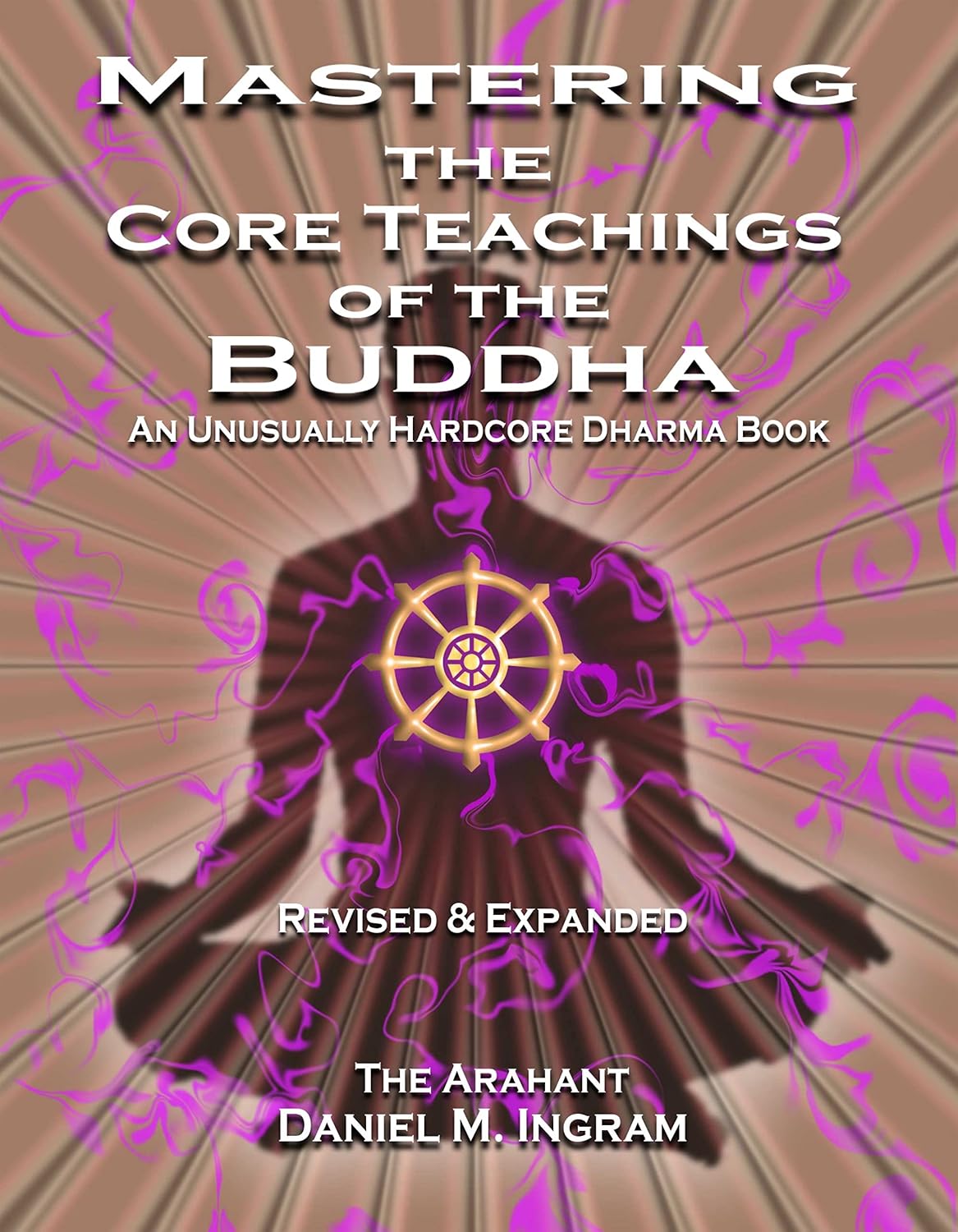
Mastering the Core Teachings of the Buddha
By Daniel Ingram
Can the Buddha’s teachings really be mastered? Ingram insists that enlightenment is an attainable goal, once our fanciful notions of it are stripped away, and we have learned to use meditation as a method for examining reality rather than an opportunity to wallow in self-absorbed mind-noise. In this book he sets out concisely the difference between samatha and vipassana (concentration-based and insight meditation), he provides practice examples and, most helpfully, he presents detailed maps of the states of mind we are likely to encounter, and the stages we must negotiate as we move through clearly-defined cycles of insight.
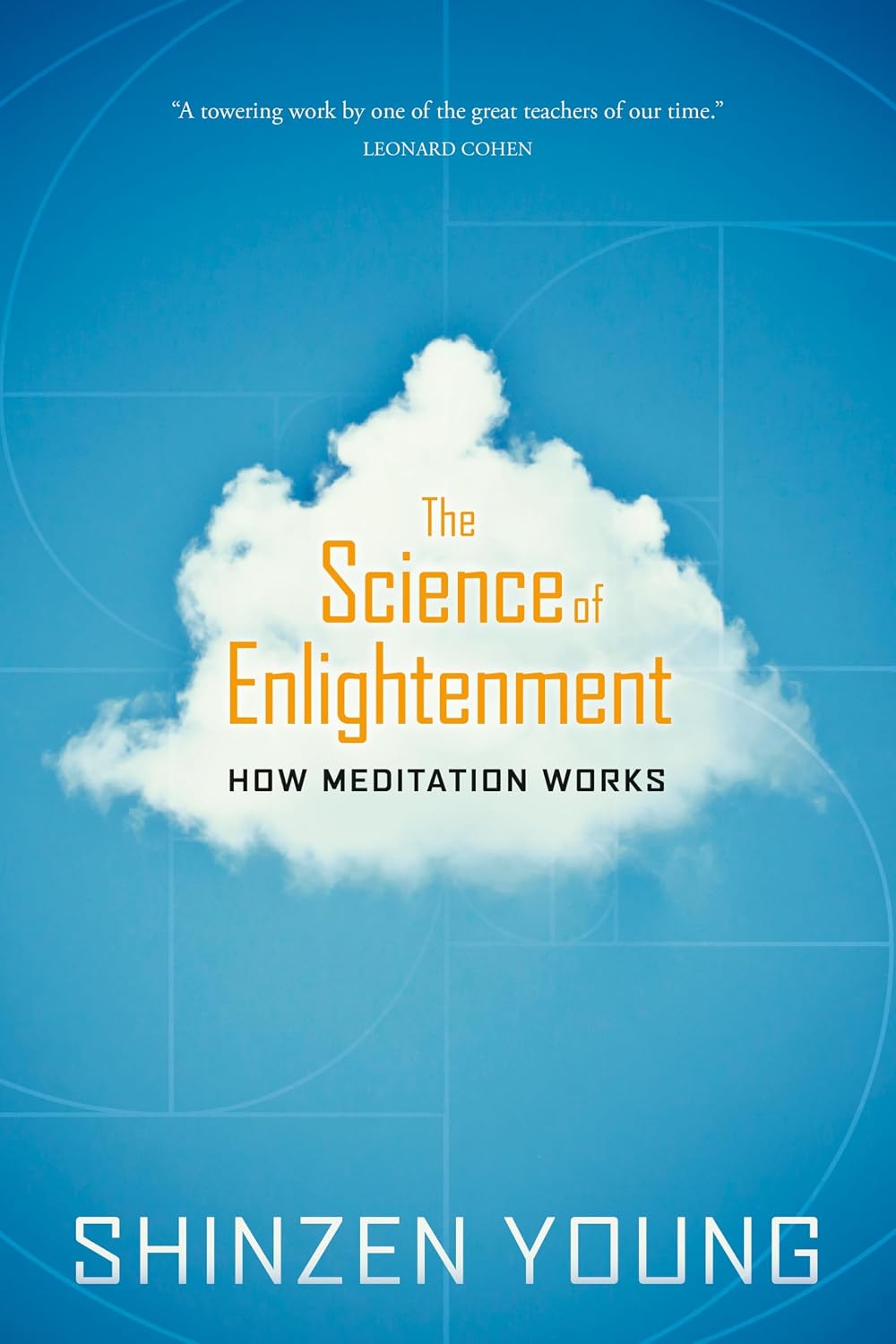
The Science of Enlightenment
By Shinzen Young
Across time and culture, inner explorers have discovered that the liberated state is a natural experience, as real as the sensations you are having right now. The Science of Enlightenment merges scientific precision, Young’s grasp of the source-language teachings of many spiritual traditions, and his rare gift for sparking insight upon insight through original analogies and illustrations. The result: an uncommonly lucid “Aha, now I get it!” guide to mindfulness meditation―how it works and how to use it to enhance our cognitive capacities, compassion, and experience of happiness independent of conditions.
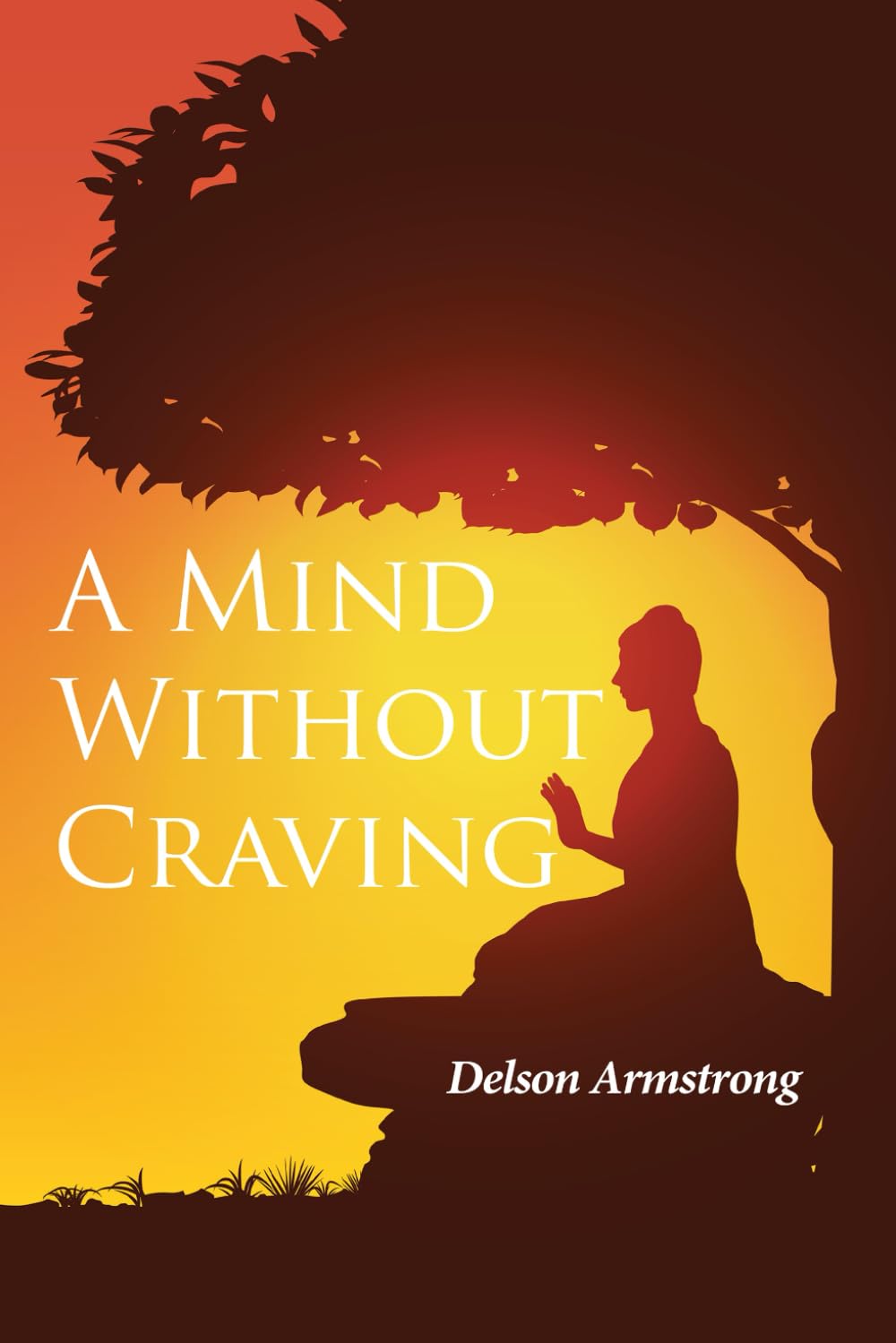
A Mind Without Craving
By Delson Armstrong
A Mind Without Craving offers a collection of instruction and dialogue sessions transcribed from a ten-day meditation retreat led by Delson Armstrong. It is a practical guide to understanding the Buddha’s Noble Eightfold Path for the attainment of awakening and the experience of Nirvāna.

The Magic of Vajrayana
By Ken McLeod
The Magic of Vajrayana opens new doors to the Tibetan Buddhist tradition of Vajrayana, one of the most vibrant traditions of mystical practice in the world today. Ken McLeod deftly deploys his considerable skills in translation, teaching, and writing to weave a rich tapestry of the core practices of this tradition and his experience with them. In simple clear English he immerses the reader in the practice of Vajrayana, bridging the gap between classical instruction and idealized descriptions of insights and understandings.
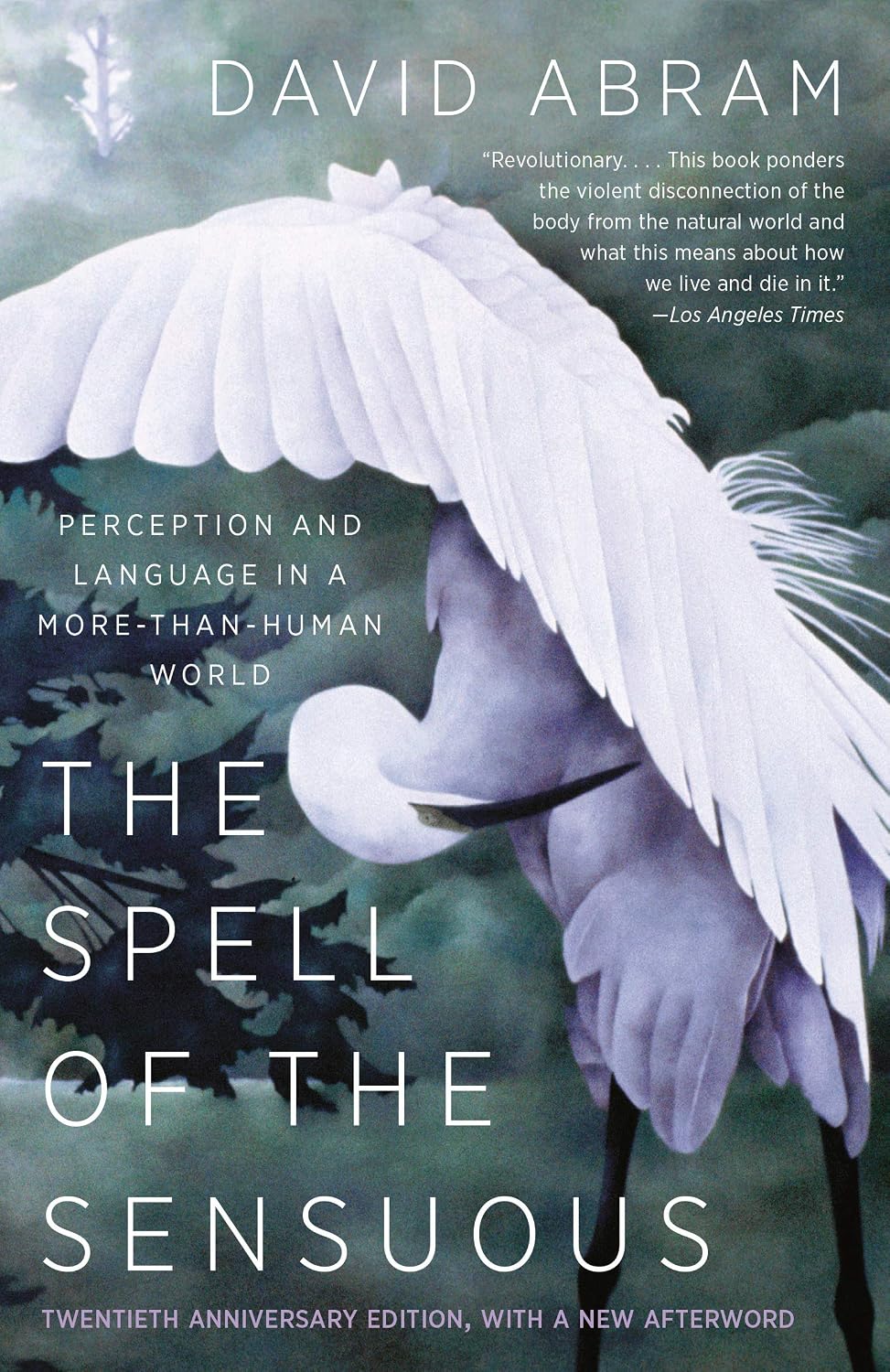
The Spell of the Sensuous
By David Abram
For a thousand generations, human beings viewed themselves as part of the wider community of nature, and they carried on active relationships not only with other people with other animals, plants, and natural objects (including mountains, rivers, winds, and weather patters) that we have only lately come to think of as "inanimate." How, then, did humans come to sever their ancient reciprocity with the natural world? What will it take for us to recover a sustaining relation with the breathing earth? In The Spell of the Sensuous David Abram reveals the subtle dependence of human cognition on the natural environment, exploring the character of perception. He excavates the sensual foundations of language, which—even at its most abstract—echoes the calls and cries of the earth.